
Section 75 Claim: How to Get Your Money Back From Your Credit Card Provider
By Mark Fulton · · 9 min read
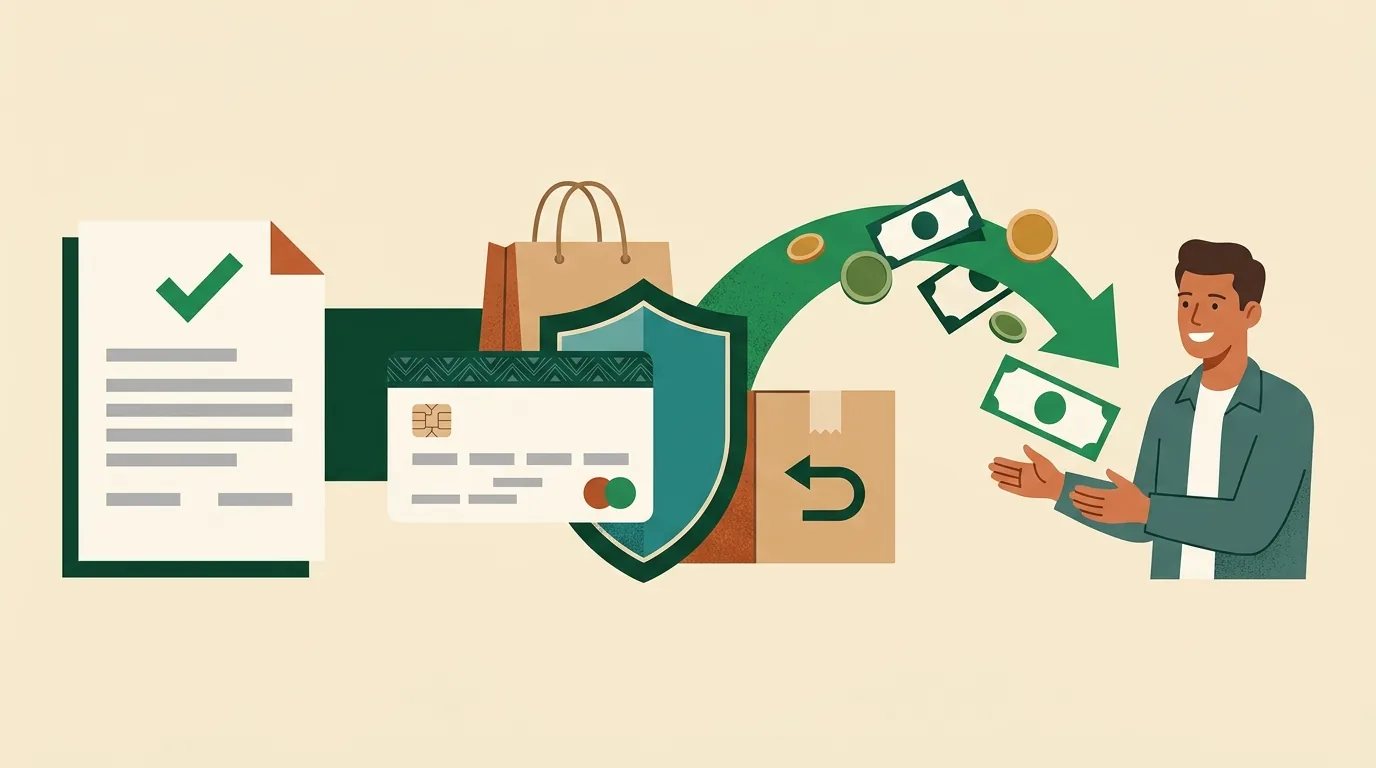
A Section 75 claim is a request to your credit card provider, under the Consumer Credit Act 1974, to put right a problem with something you bought. The provider is jointly liable with the seller if the goods or service were faulty, not as described, or never arrived. It generally applies when a single item cost more than £100 and no more than £30,000, and you paid some or all of it on a credit card. You make the claim in writing to the card provider, not the seller. If Section 75 doesn't fit, for example because you paid by debit card, the fallback is chargeback.
The rules depend on the facts and on where you live, so treat this as a practical guide, not legal advice. The Citizens Advice and Financial Ombudsman Service pages below were read on 6 November 2026, and the figures come from them.
What is a Section 75 claim?
Section 75 is a legal right, not a goodwill gesture from your bank. When you buy something with a credit card and the seller breaches the contract or misrepresents what you were buying, the card provider can be held responsible alongside the seller. The Financial Ombudsman Service describes it as a way to raise a claim against your bank or lender for a breach of contract or misrepresentation by the supplier.
Joint liability is the useful part. You do not have to chase a seller who has gone quiet or gone bust. You can go to the credit provider that financed the purchase, and the claim is judged on whether the seller broke the contract, not on whether the seller is still answering emails.
Citizens Advice lists the situations where you can ask for your money back after paying by card:
- You did not get what you paid for.
- What you got was faulty or broken.
- What you got was different from how it was described.
Does Section 75 cover your purchase?
Run through these checks before you write anything.
| Check | What the sources say |
|---|---|
| How did you pay? | Credit card or buy now, pay later. Not a debit card or charge card. The Ombudsman also lists point-of-sale loans and certain catalogue shopping accounts. |
| What did the item cost? | More than £100 and no more than £30,000 for a single item. |
| Did you buy directly from the seller? | Usually required. Marketplaces, voucher sites and wallets often break the link. |
| What went wrong? | Breach of contract or misrepresentation by the seller. |
The £100 to £30,000 rule
Citizens Advice says you can use Section 75 if you paid by credit card or buy now, pay later, as long as the item cost more than £100 and no more than £30,000. The limits apply to a single item you want a refund for, not the whole order.
Their example: someone buys a phone at £80 and headphones at £20, with £5 delivery, for a £105 total. None of it arrives. Because no single item cost more than £100, Section 75 is not available, and chargeback is the route.
The Ombudsman adds that it is the cash price of the goods or services that matters, not what you put on the card. So Section 75 can still apply when you only paid part of the price by credit card. Citizens Advice gives the same example: a £250 faulty oven, £50 deposit on a credit card and £200 in cash. The buyer can claim the full £250, not just the £50.
If the cash price is over £30,000, the Ombudsman says the lender might still be responsible under other rules. If you think that applies, tell your provider so it can look into it.
Split payments and several cards
You can only get a Section 75 refund from one card provider. Citizens Advice says that if you split the cost between a credit card and a debit or charge card, ask the credit card provider. If you used more than one credit card, pick one. It doesn't matter which.
On a joint credit card, the main card holder should contact the provider.
Buying through a middleman
This is where claims go wrong. Citizens Advice says you usually can't use Section 75 if you bought through a third party rather than directly from the trader. Its examples are a marketplace like Amazon or eBay, a voucher site like Groupon, and a wallet like PayPal where you load money and then spend it.
You can still ask. The same page says your provider "might say no", and if it does, ask for chargeback instead. The Ombudsman explains why the structure matters: there needs to be a clear agreement between you, the supplier and the lender, which the law calls a debtor-creditor-supplier agreement. That isn't always straightforward, and if you disagree with how your provider looked at it, you can complain.
How do you make a Section 75 claim?
- Contact the seller first, if you can. Citizens Advice says it's usually best to try the trader, and to follow their complaints procedure if they have one. Email or write, and keep a copy. If you can't reach them or they won't help, move on. Our guides to writing a refund request email and what to do when a company refuses a refund cover this step.
- Tell your card provider you want to make a Section 75 claim. Find the contact details on its website. Citizens Advice says it's best to ask in writing.
- State what you want. Citizens Advice says to ask for the full amount you paid, or the cost of repairing the item if it's faulty. You can also ask for money to make up for poor quality or for being misled, and for the cost of repairing any damage the faulty item or service caused.
- Send your evidence. The Ombudsman suggests receipts or other proof of payment, contracts and terms, marketing material or screenshots of what was promised, emails with the seller, photos or videos showing the problem, and expert reports where needed.
Citizens Advice also publishes a template letter for a claim against a credit provider if you want its wording as a starting point.
What to put in the claim
Keep it to facts, dates and a number. A short version:
Subject: Section 75 claim: [item], card ending [last four digits]
I am making a claim under Section 75 of the Consumer Credit Act 1974.
On [date] I bought [item] from [seller] for £[price] and paid [all / £amount] on my credit card. [One sentence: it never arrived / it was faulty on arrival / it was not as described because...]
I contacted the seller on [date] and [they did not reply / they refused]. Copies are attached.
I am asking for £[amount]. Please confirm receipt and tell me your decision in writing.
Build the seller-facing email from your receipt with the refund email generator, or start a case on the DemandRefund homepage to keep the dates and messages in one place.
What does Section 75 not cover?
The Ombudsman says Section 75 doesn't apply if you paid with a debit card or charge card, if the credit was an overdraft or a general-purpose bank loan, or if you paid by cash, credit card cheque or bank transfer. It also covers breach of contract or misrepresentation, not a change of mind. If the item was as described and in working order, there's no breach to claim on.
Section 75 vs chargeback: which should you use?
Both routes go through your card provider, and neither depends on the seller agreeing. The difference is the legal footing. Section 75 is a right under the Consumer Credit Act. Chargeback is a process under the card scheme's rules, such as Visa or Mastercard, and your provider doesn't have to raise one, though the Ombudsman says it can be good practice to do so where valid reasons exist.
| Section 75 | Chargeback | |
|---|---|---|
| Payment type | Credit card, buy now, pay later | Debit card, charge card, or credit card where Section 75 doesn't apply |
| Price limits | More than £100, up to £30,000 per item | No price limit stated by Citizens Advice |
| What you can get back | Full cost, even if only part went on the card, plus certain extra losses | Only what you paid on that card |
| Basis | Legal right against the card provider | Card scheme rules |
| Time limit | Ask your provider | The Ombudsman says usually around 120 days |
Citizens Advice's rule of thumb is simple. If you paid by credit card and Section 75 applies, it will generally get you more. Its example of a £250 washing machine, with £50 on a card and £200 in cash, shows the gap: chargeback would recover the £50, while Section 75 on a credit card would probably return more.
The chargeback time limit is the one to watch. The Ombudsman says you usually have around 120 days, which might run from the date you expected the goods or services and didn't get them, or the date you received something defective or not as described. It adds that limits can be longer or shorter depending on the circumstances, so ask your provider and don't wait. Our guide to chargeback vs refund sets the two routes beside a merchant refund.
What happens after you claim?
If you succeed, Citizens Advice says the provider will refund the money to your account. If your claim is turned down, you have options.
- Ask for the reasons in writing. A refusal should be explained.
- Complain to the provider. The Ombudsman says that if you're unhappy with a response, you can complain to the provider first.
- Go to the Financial Ombudsman Service. Citizens Advice says if you try Section 75 and don't get your money back, you can ask the Ombudsman to look at your case. It's independent and examines both sides. Citizens Advice warns you still might not get your money back.
The Ombudsman says it looks at things like whether a lender unfairly rejected a Section 75 claim, failed to investigate properly or considered the evidence badly, or took too long.
FAQ
What is a Section 75 claim?
It's a claim to your credit card provider that the seller of something you bought breached the contract or misrepresented it. Under Section 75 of the Consumer Credit Act 1974, the provider can be held responsible alongside the seller.
Does Section 75 apply to debit cards?
No. The Ombudsman says it doesn't apply to debit or charge cards, though your provider may still help through chargeback.
Can I claim if I only paid part of the price on my credit card?
Yes, in many cases. Citizens Advice says that if you paid any part by credit card and the item's total cost is within the limits, you can claim the full cost. The Ombudsman says it's the cash price that counts, not the amount on the card.
Does Section 75 apply when I pay through PayPal or buy on Amazon or eBay?
Usually not directly, because there's no direct link with the trader. Citizens Advice says you can still ask your provider, but it might refuse, and chargeback is the fallback. For PayPal's own dispute, Citizens Advice says you have 180 days from paying.
Do I have to contact the seller before claiming?
Citizens Advice says it's usually best to try the trader first. You can go to the card provider if you can't contact them or they won't help.
How long do I have to make a claim?
This page doesn't state a Section 75 deadline, so ask your provider and claim promptly. For chargeback, the Ombudsman says around 120 days is usual.
What if the claim is rejected?
Complain to the provider, then take it to the Financial Ombudsman Service if you still disagree. There's no guarantee of a refund, but the Ombudsman reviews the case independently.